
Complete Water Supply for Rural Homes
Tanks, bore, pump and treatment.
Designed as one system.
Building on a lifestyle block?
If your new home isn’t on town water, you need your own supply: somewhere for the water to come from, somewhere to store it, a pump to get it to the house, and treatment to make it safe to drink. Get them right together, and you’ll have reliable, safe water from the day you move in.
We design and install complete water supplies for new rural homes across Rodney and North Auckland, from Mangawhai to Albany: rainwater tanks, bore pumps, pressure pumps, filtration and UV, fire-fighting water where council needs it, and the plumbing to the house.
One local team, from the plans to your first glass of water.
What goes into a complete system
Tap a card to find out more.
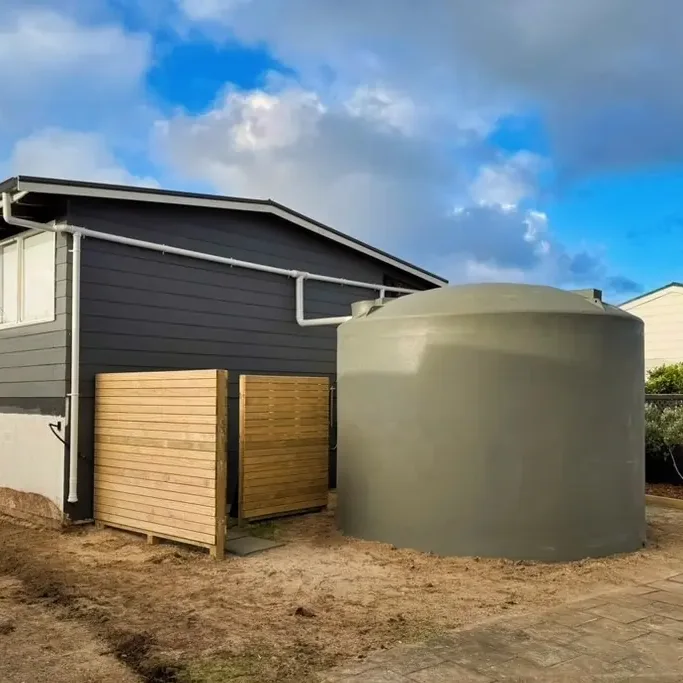
Rainwater collection
Gutters, first flush diverters and pre-tank filters, to collect as much clean rain as your roof can give.
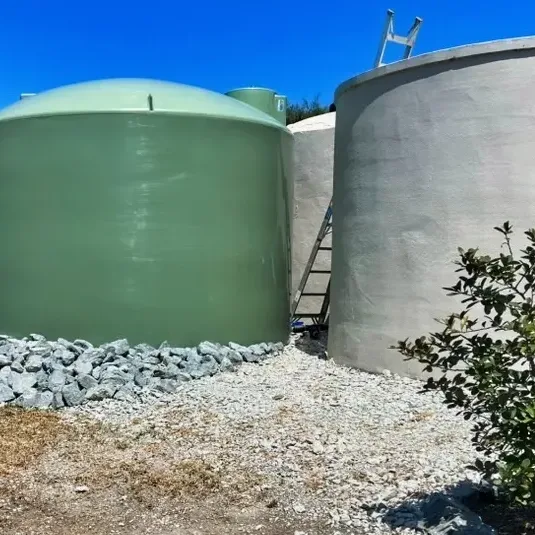
Water tanks
Tanks sized for your household and your roof, on a level, solid base.
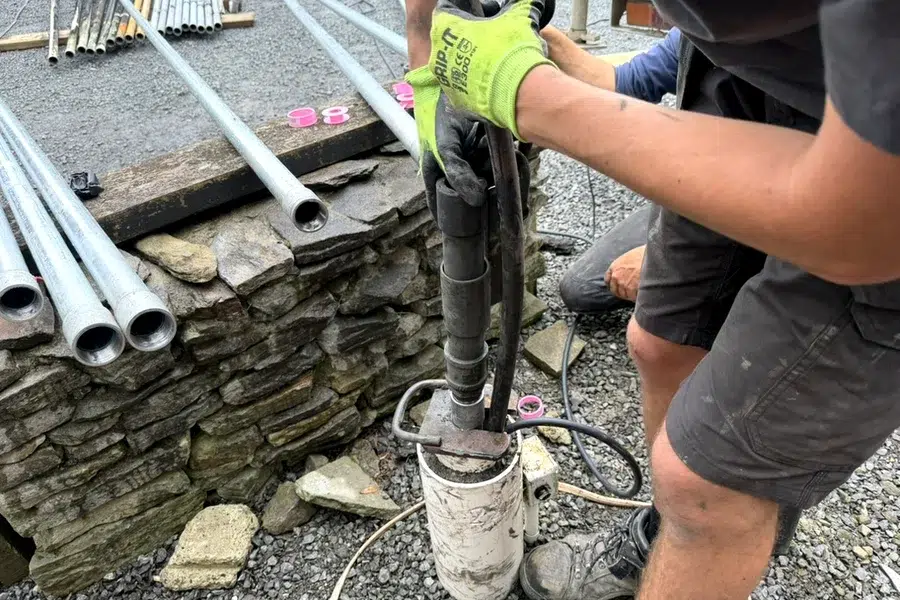
Bore water
A bore pump matched to your bore and your consent, then treatment designed to a full water test.
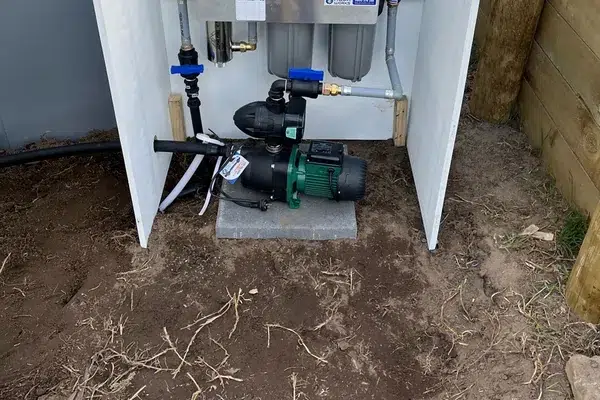
Water pumps
A pressure pump sized for the house, so every tap has good pressure.
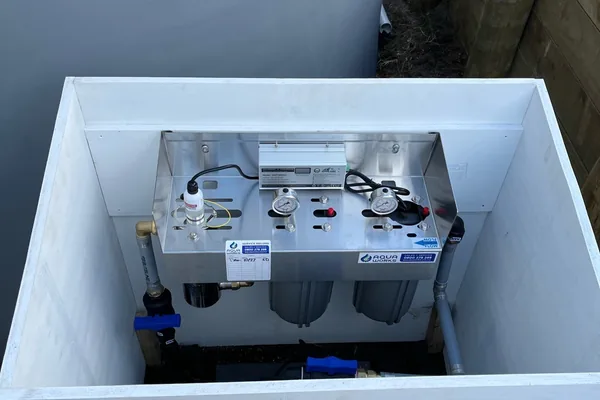
Filtration and UV
Sediment filters and UV, so every tap is safe to drink.

Tank level gauges
Know how much water you have, before you run out.
How we design it
Every system starts with your water source, your household and your site.
Rainwater
We size the tanks from your roof area and how many people will live there, and plan the gutters, downpipes and first flush so the tank collects as much clean water as it can. Every millimetre of rain on a square metre of roof gives you about a litre of water. See rainwater harvesting.
Bore water
We don’t drill bores, but we work with local bore drillers. Once your bore is drilled, the driller tells us how much water it produces. We fit a bore pump to match what the bore can give and what your consent lets you take, run it for 24 hours, then take a water test. When the results are back, we recommend the treatment the water needs before it’s safe to drink.
Fire-fighting water
Some councils make a fire-fighting water reserve a condition of your building consent, or of a subdivision. Kaipara District Council often does, and Auckland Council sometimes does, case by case. We fit the fire tank or reserve, and plumb the approved couplings and emergency connections.
Pump and treatment
A pressure pump sized for the house, then sediment filtration and UV, so every tap is safe to drink. If your water test shows hardness, iron or low pH, we treat that too.
Plumbing to the house
We can plumb the whole house, or just the connections from the tank and pump, including homes moved onto a section.
Every system includes
A system designed for your site.
Tanks sized for your household.
A pump matched to your tank or bore.
Filtration and UV for safe water.
Fire-fighting water, if council needs it.
Installation by our plumbers.
Sterilised pipes before you move in.
A tank level gauge, if you want one.
A yearly service and reminders.
Bring us in early
- Tanks often go in before the house is built, so the site and access need planning.
- Get our system specified, or named on your plans, at the design stage.
- Plan where the pump box or shed, the power and the tank overflow will go.
- Your roof and downpipe layout decides how much rain you collect.
What we need from you
- Your plans, or the site plan.
- How many people will live there.
- Your water source: roof, bore or both.
- Your consent conditions, like fire-fighting water.
Talk to us at the design stage.
Local Jobs – Local Trust – Local Experts
A new home in Mangawhai Heads
From an empty section to safe water at every tap.
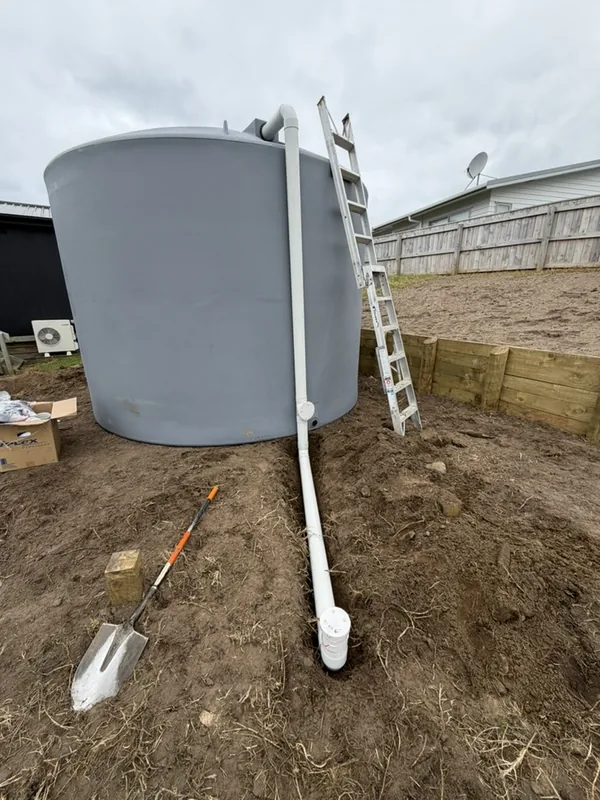
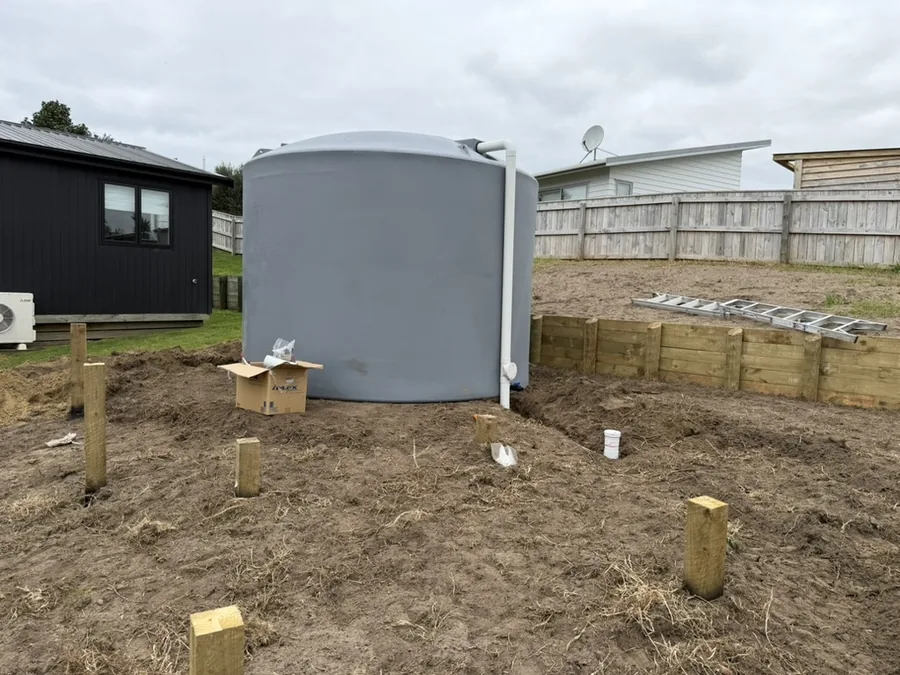
Tank first: a 30,000 litre tank went in before the house was built, ready to connect.
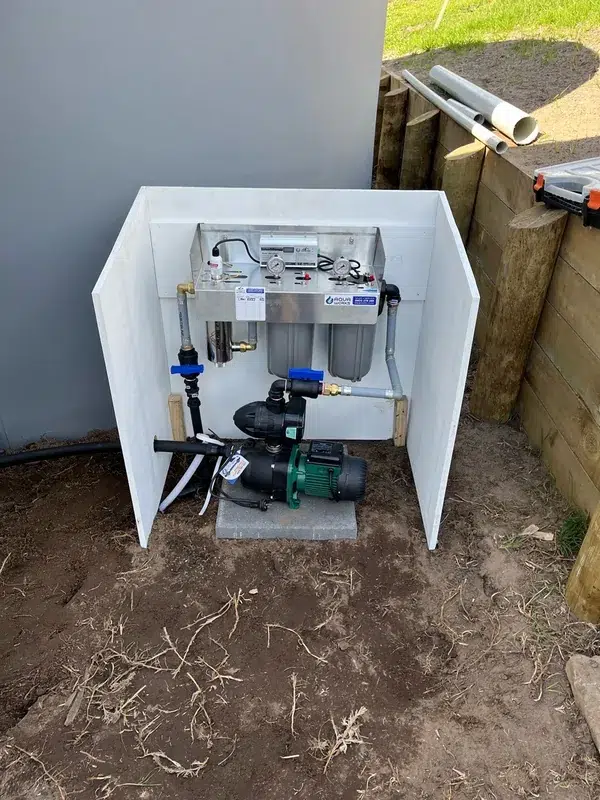
Pump, filters and UV: a pressure pump, twin filters and a UV system in a pump box beside the tank.
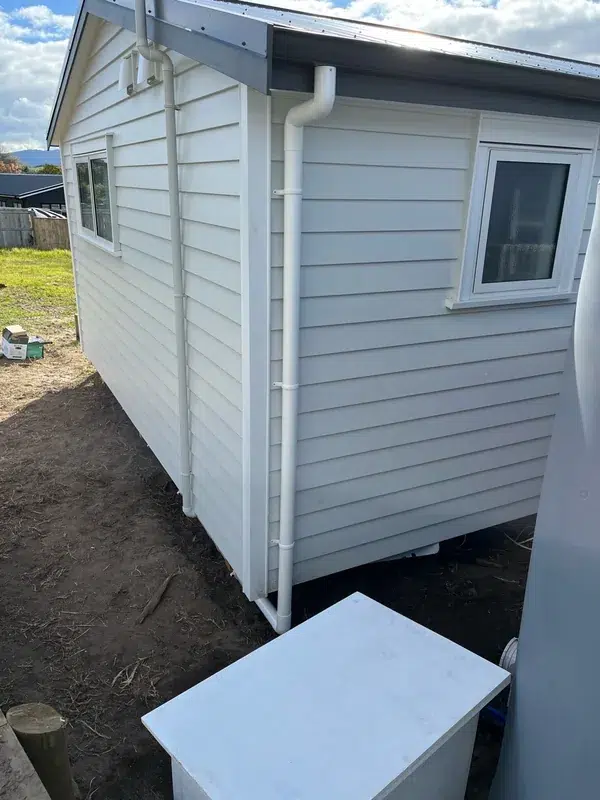
Finished: the pump box closed up beside the new home, with a tank level gauge so the owners can see how much water they have.
Talk to us before the plans are final
Advice up front saves money later. When our system is specified on your plans, it goes in at the right time and in the right place, and works with the rest of the build.
Every site is different: access for a tank truck, the slope, the soil and where the overflow can go all matter.
Consents and rules
- Potable water. The Building Code requires potable water for drinking, preparing food, washing dishes and brushing teeth. Toilets can use non-potable water.
- Fire-fighting water. Some councils require a fire-fighting water reserve as a condition of a building consent or a subdivision. Check your consent conditions, or send them to us.
- Bores. Your consent sets how much water you can take from your bore, and we size the bore pump to suit.
- Your own supply. A household supply for 25 people or fewer doesn’t need to register with Taumata Arowai, but keeping the water safe is up to you. See rural water treatment.
- Renting it out? Landlords must provide safe drinking water. See landlord water responsibilities.
We’ll explain what applies to your build.
Working with your builder
We work with your builder, architect and other trades, and fit our work around the build. The tanks and pipes often go in early, then the pump, treatment and connections once the house is closed in.
Moving a house onto a section? We can connect it up, or plumb the whole house.
A new home in Mangawhai Heads
For a new home in Mangawhai Heads, we installed a 30,000 litre rainwater tank before the house went up. Once the house was in, we fitted a pressure pump, twin filters, a UV system and a tank level gauge in a pump box beside the tank.
The owners moved in with safe water at every tap, and a reminder when the first yearly service is due. See servicing.
How it works
Four steps from plans to safe water.
1
Plans and site visit
We look at your plans, your site and your water source.
2
Design and price
A system designed for your home, with a clear written price.
3
Install in stages
Tanks and pipes early, then the pump, treatment and connections.
4
Ready to move in
We sterilise the system, check it’s working and remind you about servicing.
Rural water specialists
We’ve designed, installed and serviced rural water supplies across Rodney and North Auckland since 2000, from our base in Warkworth.
- Rainwater tanks, bore pumps and pressure pumps.
- Filtration, UV and treatment designed to a water test.
- Fire-fighting water reserves and couplings.
- Members of Master Plumbers.
After you move in
Every water treatment system needs a service every 12 months, and we remind you when it’s due. See water filter servicing.
Rural water supply FAQs
When should we talk to you about our new home?
At the design stage, as early as you can. Tanks often go in before the house, and it’s much easier to plan the tanks, pump and pipes on the drawings than to fit them in later.
How many water tanks do I need?
It depends on how many people live there, your roof area and how dry the summers get. We work it out from your plans. Every millimetre of rain on a square metre of roof gives you about a litre of water.
Do you drill bores?
No. We work with local bore drillers. Once the bore is drilled, we fit a pump to match its yield and your consent, run it for 24 hours, test the water and recommend the treatment it needs.
Is bore water safe to drink straight away?
Not until it’s tested. We test it after the pump has run for 24 hours, then recommend the treatment it needs before it’s safe to drink.
Do I need a fire-fighting water tank?
Only if your council requires it. Some councils make it a condition of a building consent or a subdivision, case by case. Kaipara District Council often does. We fit the reserve and plumb the approved couplings.
Rainwater or bore water?
Rainwater is usually the simplest to treat. Bore water can need more treatment, so we test it first. Some homes use both, with the bore topping up the rainwater tanks.
What treatment does a new rural home need?
Most homes on rainwater need sediment filters and a UV system, so every tap is safe to drink. Bore water needs a water test first, then treatment matched to the results.
Can you do the plumbing for the house too?
Yes. We can plumb the whole house, or just the connections from the tank and pump, including homes moved onto a section.
Where does the pump go?
In a pump box or pump shed near the tank, with power and room to service it.
How much does a complete rural water supply cost?
It depends on your water source, your home and your site. We start with a free site visit, then give you a clear written price. Call us on 0800 278 296.
What areas do you cover?
Rodney and North Auckland, from Mangawhai to Albany, including Warkworth, Matakana, Wellsford, Orewa and the Hibiscus Coast. For larger projects further away, give us a call.
Don’t just take our word for it…

⭐⭐⭐⭐⭐
“We have had Aqua Works at our property to install a new water tank with a new pump and water filters. That went so well that we have also been calling on them for all the plumbing work needed during our renovations. … We would highly recommend Aqua Works …”
Work Law, 2023
⭐⭐⭐⭐⭐
“We have an advanced rain water treatment system at our Mangawhai Heads home which includes whole house neutralisation, UV treatment and 3-stage filtration … The system was supplied and installed by Aqua Works and has just had its first annual service by them. We have been totally satisfied with the expert service throughout …”
Richard Mules, 2025
⭐⭐⭐⭐⭐
“Arranged for a visit from Aqua Works to install electronic water level monitoring for a water tank collecting rainwater supply for my rural home. … Aqua Works also installed the water pump on the same tank a few years ago, which has been working flawlessly. I would not hesitate to call on them again for any future plumbing and water needs.”
Graeme Lowe, 2026
Building on a lifestyle block?
Talk to us at the design stage and we’ll get your water right from the start.