Acidic Water and pH Neutralisers
Stop blue-green stains and protect your pipes.
Book a FREE onsite visit.
What is acidic water?
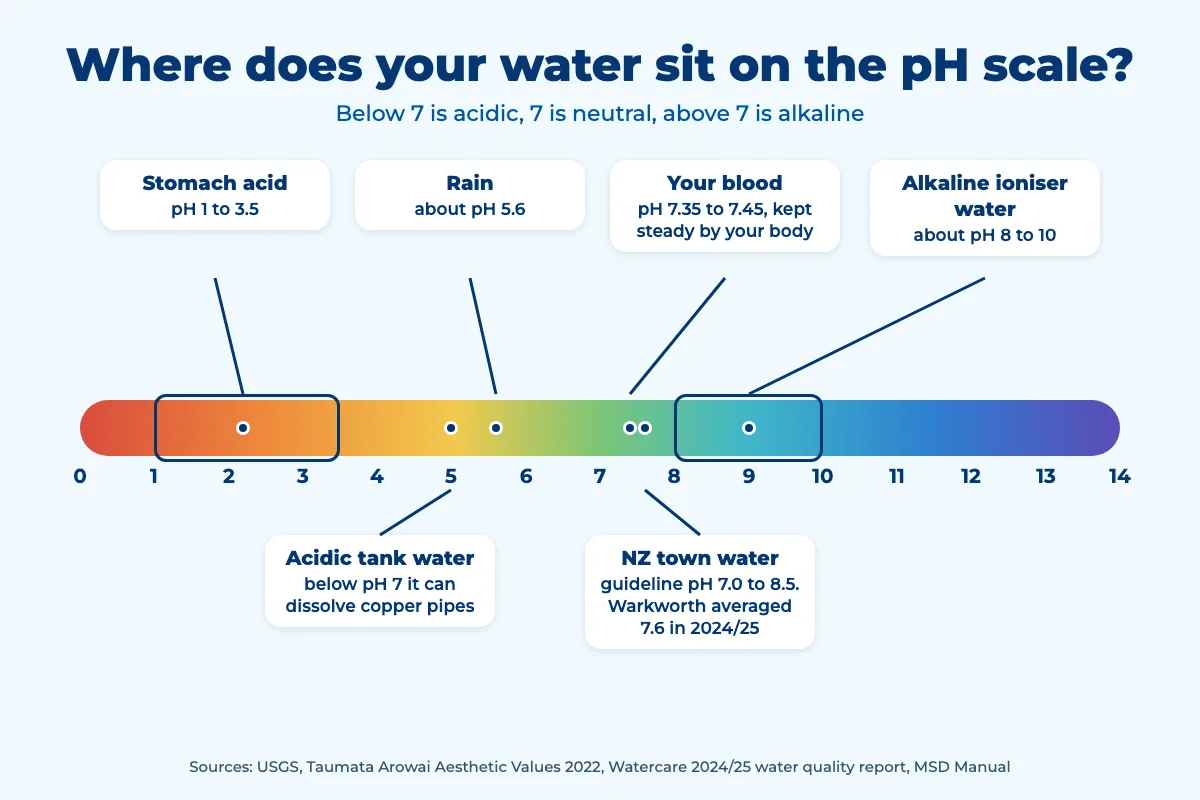
Acidic water is water with a pH below 7. Rain is naturally a little acidic: it soaks up carbon dioxide from the air and falls at about pH 5.6. It’s also very soft, with almost no minerals to balance that, so tank water often sits around pH 6, says the household water supplies guide. Bore and spring water can be acidic too, when it carries a lot of dissolved carbon dioxide.
It’s common here. Monthly lab tests on the rainwater supply at a school near us came back between pH 5.7 and 6.3 in most months. Taumata Arowai’s guideline for drinking water is pH 7.0 to 8.5.
Acidic water isn’t harmful in itself. The trouble is what it does to your plumbing. Over time it dissolves copper from pipes, fittings and hot water cylinders, leaving blue-green stains in basins and showers, and it can pick up lead from old brass fittings. We’ve seen it lead to pinhole leaks in copper pipe.
We’re fitting more pH neutralisers every year, from Mangawhai to Albany. A neutraliser raises the pH of your water before it reaches your pipes, so it stops eating them.
Start with a free onsite visit.
What acidic water does
Water with a low pH and few minerals is corrosive. It slowly dissolves the metal it touches, most of all overnight, when water sits still in the pipes. “In New Zealand, most drinking water is plumbosolvent,” says Taumata Arowai, meaning it can dissolve metal from plumbing.
Blue-green stains
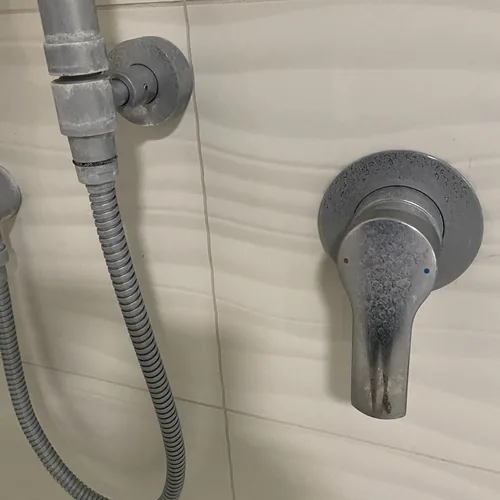
Copper from your pipes and fittings leaves blue-green stains on basins, baths, showers and toilets, and can give blonde hair a green tinge. Taumata Arowai’s guideline is no more than 1 mg/L of copper, because above that it stains. Staining starts below the safe limit for copper, so stains on their own don’t mean the water is unsafe, but they do show your pipes are slowly dissolving.
Pinhole leaks and cylinder damage
Acidic water is a common cause of pinhole leaks in copper pipe, though not the only one, and it corrodes hot water cylinders. Rheem’s installation guide for its low pressure copper cylinders says rainwater from plastic tanks should be brought to between pH 6.5 and 7.5, and cylinders not installed to that advice aren’t covered by the warranty.
Copper and lead in your drinking water
The metal it dissolves ends up in your glass. In a study of 125 rural Auckland homes on roof water, 18 were over the limit for lead and 3 over the limit for copper, and lead was more likely where the pH was under 7. Lead is most harmful to babies, young children and unborn babies: see lead in water.
Until it’s fixed, Taumata Arowai advises running the cold drinking tap for at least 10 seconds first thing in the morning, and for 2 minutes if the house has been empty for more than two days.
Signs your water is acidic
Blue-green stains on basins, baths or showers.
A metallic taste, especially first thing in the morning.
Green marks under dripping taps.
Blonde hair with a green tinge.
Pinhole leaks in copper pipes.
A hot water cylinder that leaks or fails early.
A water test with a pH under 7.
Copper or lead in a water test.
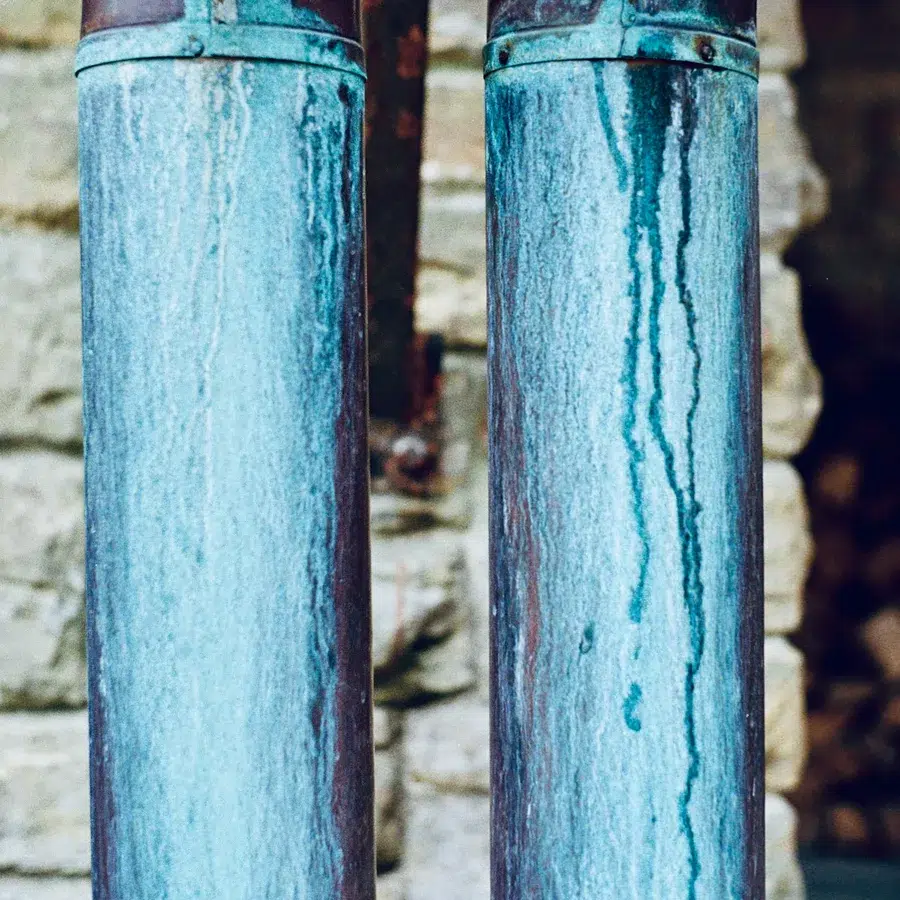
Copper turns blue-green as it corrodes. BRANZ warns copper gutters and downpipes may cause staining when rainwater has a low pH.
Photo: Dug Nichols, Unsplash
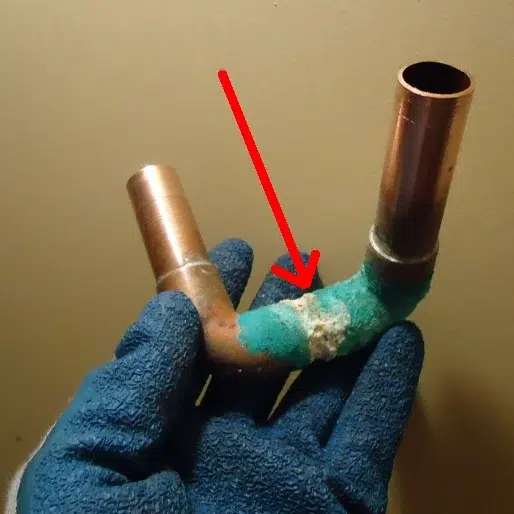
A pinhole leak in copper pipe. This section above a hot water cylinder leaked, corroded green and had to be cut out.
Photo: Tomwsulcer, Wikimedia Commons
What a neutraliser does
- Raises the pH of acidic water to near neutral.
- Protects copper pipes, fittings and hot water cylinders.
- Helps stop new blue-green stains.
- Treats every tap in the house.
What it doesn’t do
- Kill bugs. You still need filters and a UV system.
- Take out copper or lead that’s already in your tank. That needs the right filter.
- Remove old stains or repair leaks.
- Keep working without top-ups. The calcite dissolves as it works.
Protect your pipes, from the tank to the tap.
Local Jobs – Local Trust – Local Experts
Recent neutraliser jobs
A few of the neutralisers we’ve installed and look after.
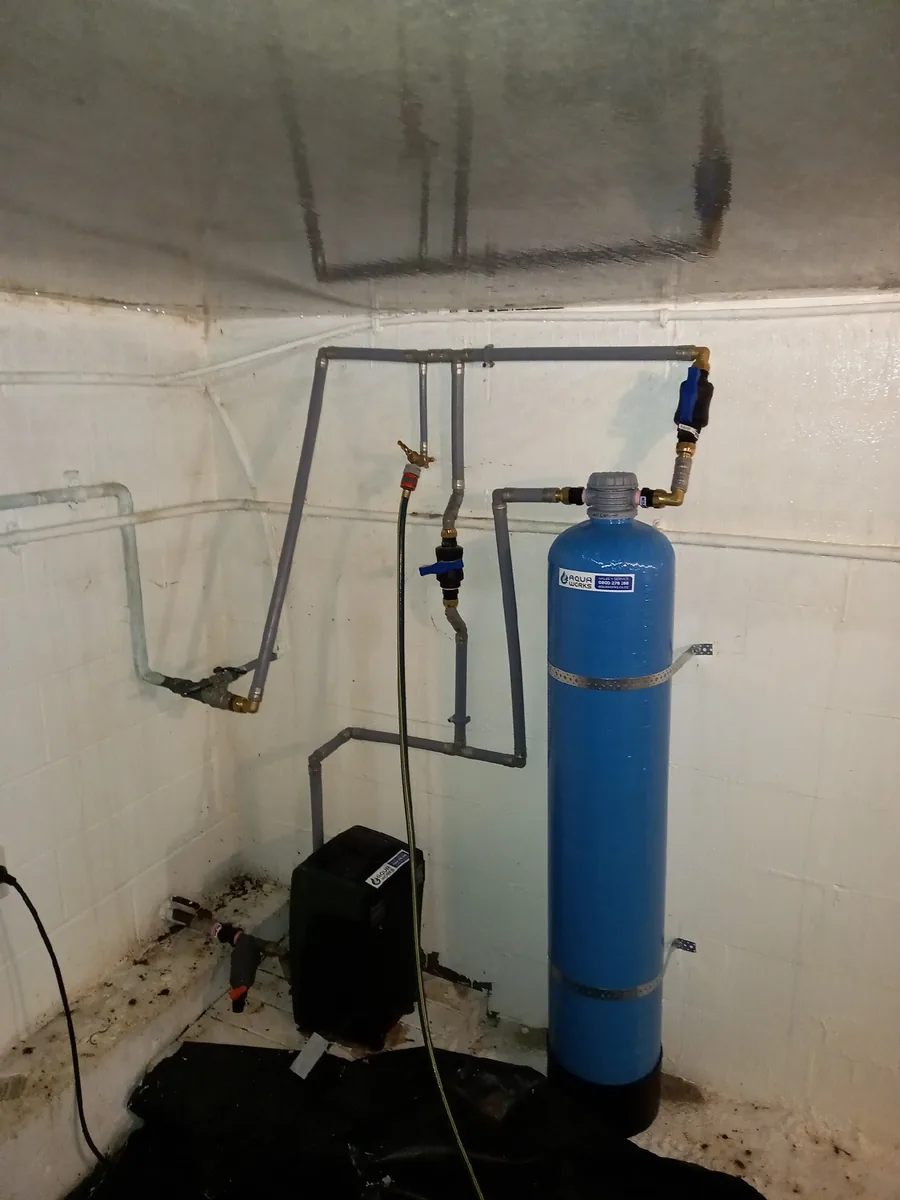
Stillwater: an upflow neutraliser in the pump shed, with a bypass and a sample tap so we can test the water after it.
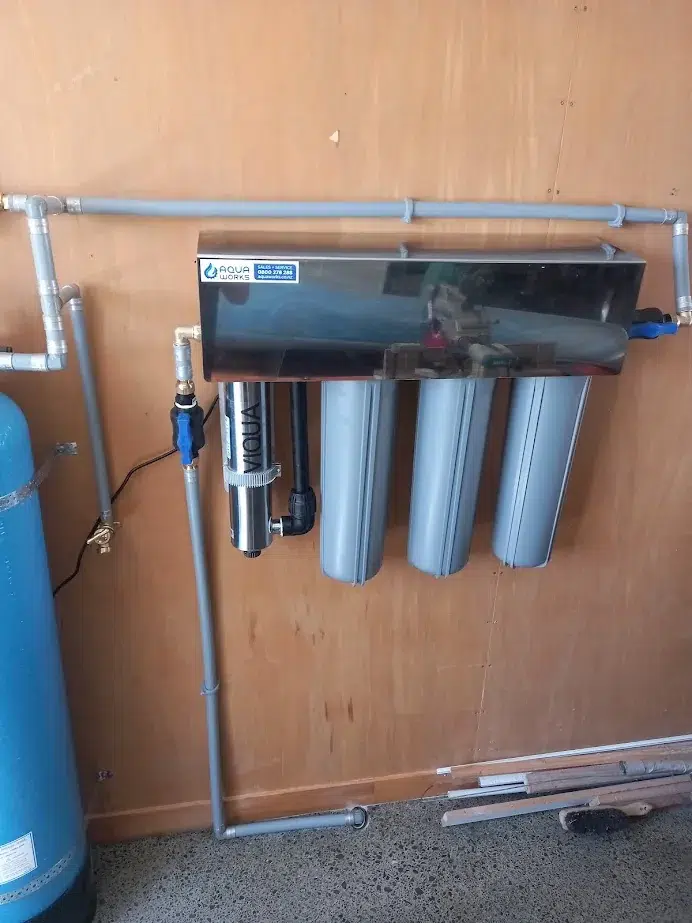
Mangawhai Heads: a neutralising filter, filters and a Viqua UV system for a home on rainwater, installed in 2024.
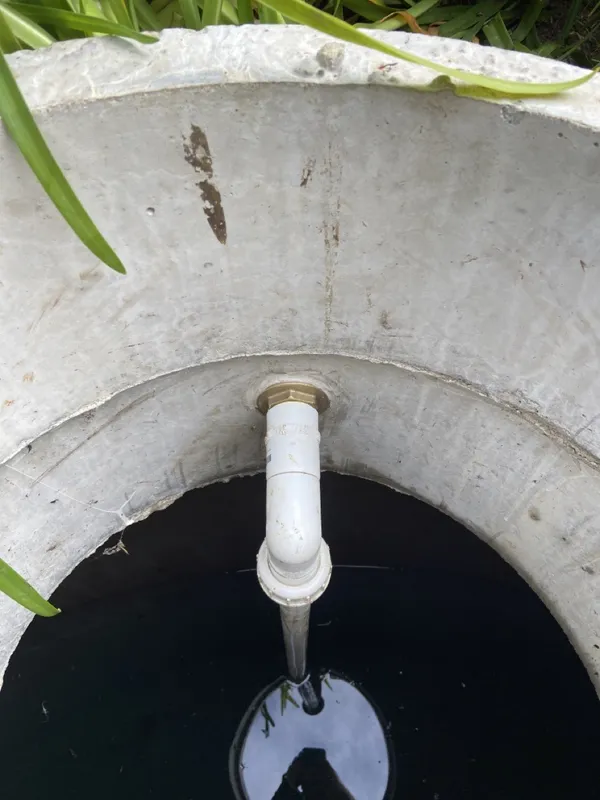
Matakana: a home on a concrete tank. We fitted its neutraliser in 2021, then checked and topped it up every six months.
Our standard: the upflow calcite neutraliser
Most neutralisers we fit are upflow calcite units, in a manual or fully automatic version. Water flows up through a tank of calcite, a crushed white marble. Acidic water dissolves a little of it as it passes, which raises the pH and adds some calcium. Calcite is self-limiting: under normal conditions it brings the water to near neutral without overshooting.
We fit it with a bypass, so your water stays on during a service, and a sample tap, so we can test the water after it. The manual version needs no power, but you need to backwash it every two to four weeks. The automatic version backwashes itself, so you don’t have to think about it.
Where the neutraliser goes
We fit the neutraliser where the water enters the house, so every tap gets neutralised water. The order is pump, neutraliser, sediment filter, then UV. The sediment filter catches any fine calcite dust before it reaches the UV, and the UV kills the bugs.
The neutraliser adds a little calcium, so your water gets slightly harder. Rainwater starts very soft, so that’s rarely a problem, but we check the hardness after the install. If it does end up too hard, a water softener after the neutraliser fixes it. Hard bore water is the other end of the scale: see hard water.
Test your water first
A water test tells you how acidic your water is and whether it’s already picking up metal. For corrosion, the Ministry of Health’s sampling guide suggests testing pH, alkalinity, copper and lead.
For copper and lead, the sample should be the first water out of the tap after it has sat overnight, because that shows what your pipes are adding. pH is best measured on the spot, so we check it on site as well as at the lab.
After the neutraliser goes in, we test again to check the pH and hardness. See water testing.
Look after your neutraliser
The calcite dissolves as it works, so the level goes down over time. We check it and refill it every 6 to 12 months, depending on your system and how much water you use.
A manual neutraliser also needs backwashing every two to four weeks. An automatic one does that itself.
We service the neutraliser at the same visit as your filters and UV, and we service most makes and models. See water filter and softener servicing.
How we fix acidic water
Every job follows the same four steps.
1
Free onsite visit
We look at your water source, pipes, hot water cylinder and any staining.
2
Test the water
We check the pH on site and send a sample to the lab for copper, lead and more if needed.
3
Install
Our registered plumbers fit the neutraliser with a bypass and a sample tap, then test the water after it.
4
Service
We check and refill the calcite every 6 to 12 months, and service your filters and UV at the same visit.
Acidic water and the rest of your system
Tap a card to find out more.
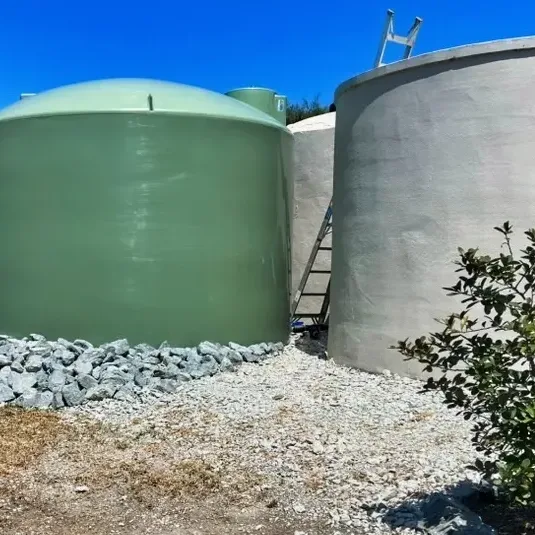
Rainwater tanks
Filters and UV that make tank water safe to drink, with a neutraliser where the water is acidic.
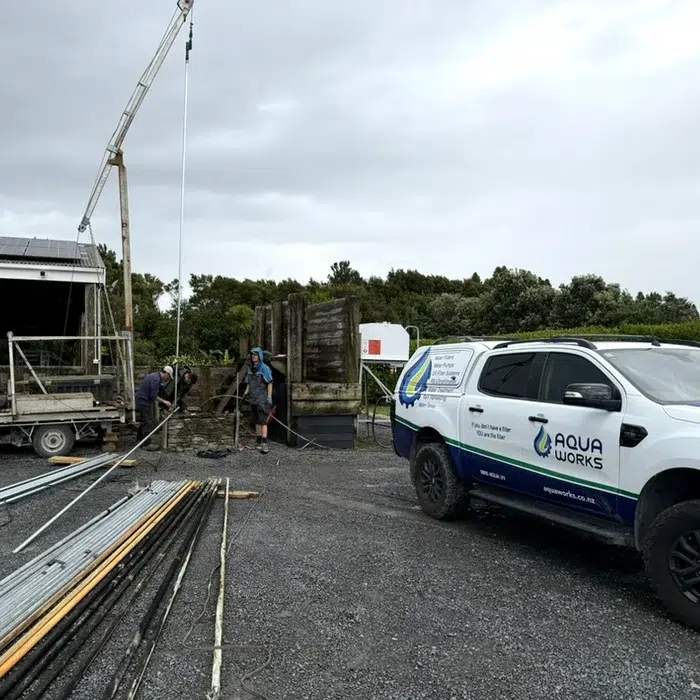
Bore water
Bore water high in carbon dioxide can be acidic too. We test it and design the treatment to suit.
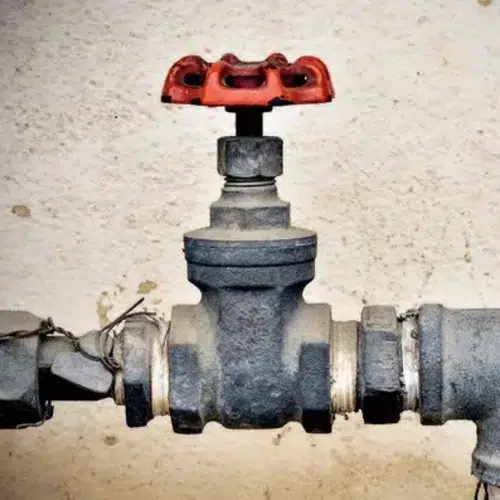
Lead in water
Acidic water can pick up lead from old brass fittings, roof flashings and lead-based paint.
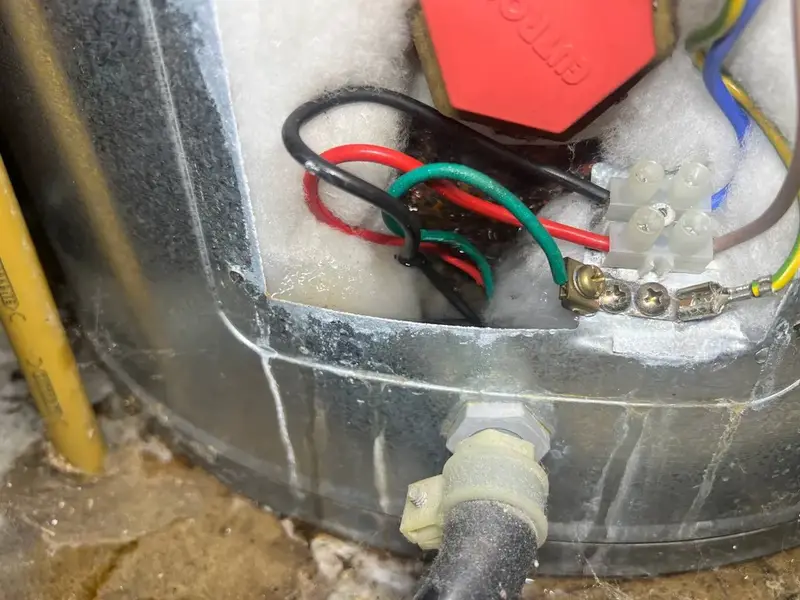
Hot water cylinders
Acidic water corrodes copper cylinders. We repair, replace and install hot water cylinders.
Hard water
The other end of the scale: hard bore water leaves scale on taps, showers and cylinder elements.

Water testing
Lab tests for pH, alkalinity, hardness, copper and lead, with the results explained.
Professional installation
Our own registered plumbers install pH neutralisers across Rodney and North Auckland, from Mangawhai to Albany.
- Sized to your home and how much water you use.
- Fitted where the water enters the house, so every tap is treated.
- Bypass valves, so your water stays on during a service.
- A sample tap, so we can test the water after the neutraliser.
Ongoing service and support
We check and refill your neutraliser every 6 to 12 months, depending on your system. At the same visit we fit new filters, change the UV lamp and clean its sleeve, and check the pump. We remind you when it’s due, and we service most makes and models of neutralisers, filters and UV systems: see UV water filter servicing.
Acidic water FAQs
What is acidic water?
Water with a pH below 7. Taumata Arowai’s guideline for drinking water is pH 7.0 to 8.5. Rainwater is usually around pH 5.6 to 6, and bore water high in carbon dioxide can be acidic too.
Why is my rainwater acidic?
Rain soaks up carbon dioxide from the air, which makes it slightly acidic, about pH 5.6. Rainwater is also very soft, with almost no minerals to balance that. A new concrete tank can raise the pH for its first few months, as lime leaches out of the concrete.
Is acidic water safe to drink?
The pH itself isn’t a health risk. The risk is the metal it dissolves. Acidic water can pick up copper from pipes and lead from old brass fittings, roof flashings and lead-based paint, and lead is most harmful to babies, young children and unborn babies. A water test shows whether your water has picked any up.
What causes blue-green stains in my shower?
Copper. Water that sits in copper pipes, usually overnight, dissolves tiny amounts of it, and above about 1 mg/L it leaves blue-green stains. A dripping tap can leave them too. Staining starts below the safe limit for copper, so stains on their own don’t mean the water is unsafe, but they show your pipes are slowly dissolving, so it’s worth testing.
Does acidic water cause pinhole leaks?
It’s a common cause, but not the only one. Pinholes can also come from fast-flowing water, new pipe that hasn’t formed its protective layer yet, or hard bore water high in carbon dioxide. If you’re getting pinhole leaks, we test the water to find out whether pH is the problem.
How does a pH neutraliser work?
Water flows through a tank of calcite, a crushed white marble. Acidic water dissolves a little of it, which raises the pH and adds some calcium. Calcite is self-limiting, so under normal conditions it brings the water to near neutral without overshooting.
Manual or automatic neutraliser?
Our standard is the upflow calcite neutraliser, in a manual or fully automatic version. The manual version needs no power, but you need to backwash it every two to four weeks. The automatic version backwashes itself, so you don’t have to think about it. We’ll tell you which suits your system at the free onsite visit.
Will a neutraliser make my water hard?
A little harder, because it adds calcium. Rainwater is very soft to begin with, so the change is rarely a problem, and we test the hardness after we install it.
How often does a neutraliser need servicing?
We check and refill the calcite every 6 to 12 months. How fast it goes down depends on how acidic your water is and how much you use. A manual neutraliser also needs backwashing every two to four weeks; an automatic one does it itself.
Do I need a neutraliser on rainwater?
Not every home does, so test first. If your water is acidic and you have copper pipes or a copper hot water cylinder, a neutraliser is worth fitting. Rheem says rainwater from plastic tanks should be brought to pH 6.5 to 7.5 for its low pressure copper cylinders, or the warranty won’t cover them.
What can I do until it’s fixed?
Use only the cold tap for drinking and cooking. Taumata Arowai advises running it for at least 10 seconds first thing in the morning, and for 2 minutes if the house has been empty for more than two days. That flushes out water that has sat in the pipes, but it doesn’t fix the water, so get it tested.
Don’t just take our word for it…

⭐⭐⭐⭐⭐
“We have an advanced rain water treatment system at our Mangawhai Heads home which includes whole house neutralisation, UV treatment and 3-stage filtration with KDF/GAC, primarily for removal of copper contamination from gutters and down pipes. The system was supplied and installed by Aqua Works and has just had its first annual service by them. We have been totally satisfied with the expert service throughout …”
Richard Mules, 2025
⭐⭐⭐⭐⭐
“… Updated filter system installed by Aqua Works one year ago..our bore water is a treat to drink now and general washing much brighter…great service..a top team!”
Alec Brewis, 2022
⭐⭐⭐⭐⭐
“The Aqua Filters Team is very professional, friendly and reliable. I’m very pleased that I have perfect water from my tanks since having my filter system installed and annually serviced. Excellent!”
Eb Just, 2020
Seeing blue-green stains?
Book a FREE onsite visit. We’ll test your water and tell you whether a neutraliser will fix it.