
Safe Water for Rural Rentals and Sales
Tank or bore water? Here’s what the law expects.
Renting out or selling a home on tank or bore water?
If your home isn’t on town water, keeping the water safe to drink is your job as the owner. Raw tank or bore water, untreated and unfiltered, can’t be relied on to be potable, even when it looks clear.
You need treatment in place that keeps it safe every day, at the kitchen tap and the bathroom basin. We check your system from the roof to the tap, test the water and fix what’s needed, so you can rent or sell with confidence.
Renting out or selling soon?
Call Steve on 0800 278 296.
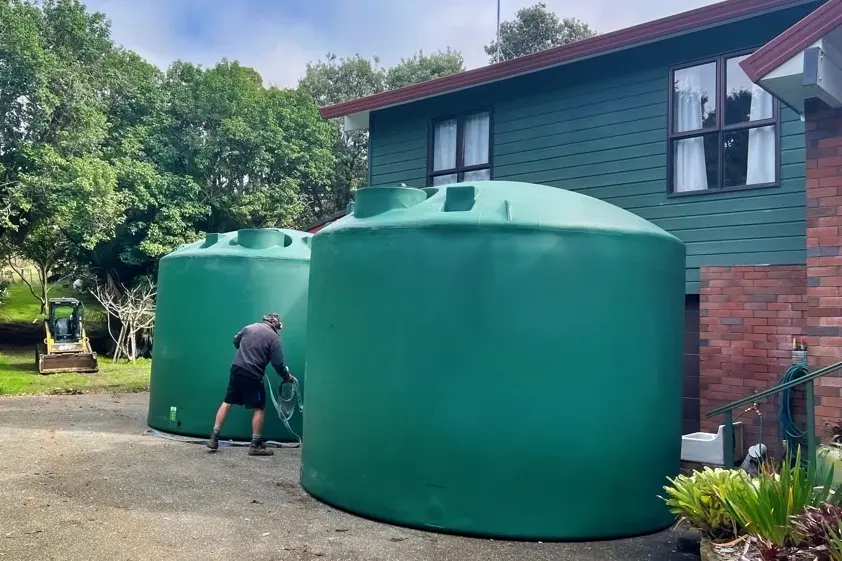
Three problems we often find in rentals
Each one can fail an E. coli test and make people sick. All three can be fixed.
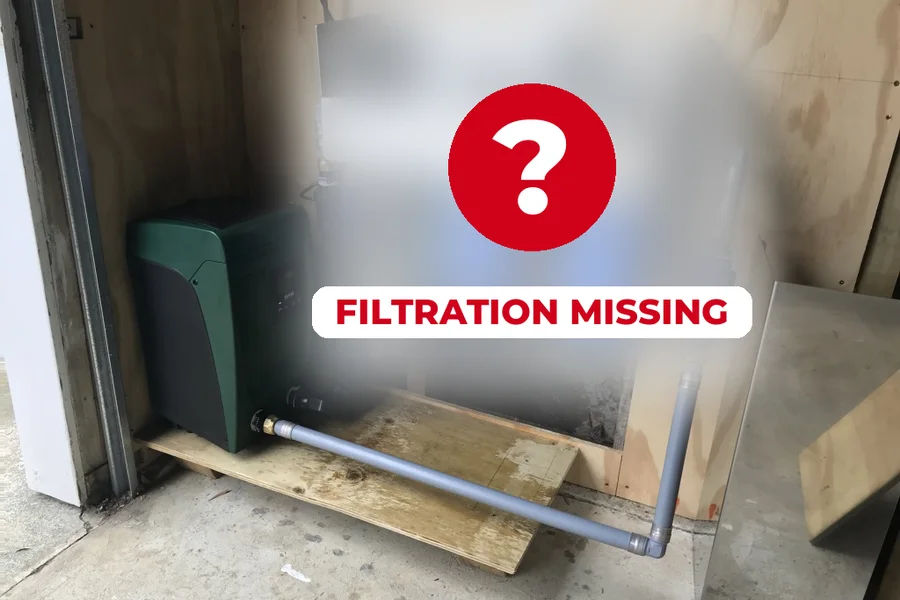
Tenants sick, no treatment
The problem: The tenants have been unwell and an E. coli test has failed. We visit and find no filtration or treatment on site at all. Bad water can put vulnerable people, like young children and the elderly, in hospital.
The fix: We install a whole-house UV system with sediment filters, then sterilise the water lines in the house.
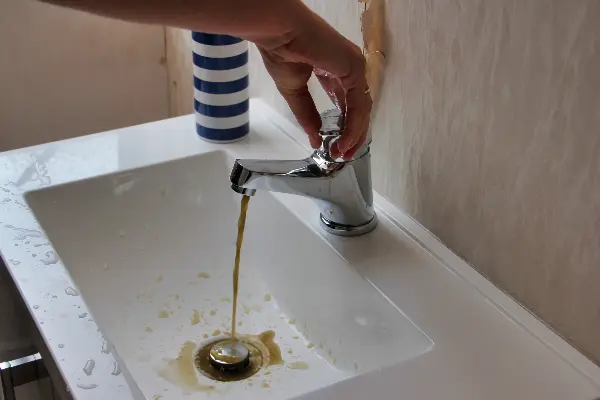
Lines never sterilised
The problem: A UV system has been put in, but the pipes in the house were never sterilised. Biofilm builds up inside the pipes and holds bacteria, which get back into the water after it has passed the UV. We’ve seen E. coli tests fail because this step was missed.
The fix: We sterilise the lines into the house after every UV installation and every service.
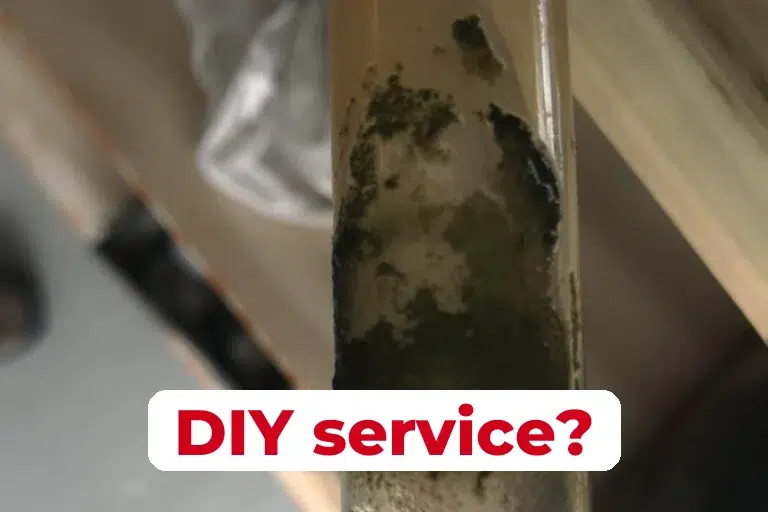
DIY servicing
The problem: Someone changes the filters and the UV lamp but never takes out the quartz sleeve to clean it. Sleeves get dirty over time, and a fouled sleeve blocks the UV light, so it can’t kill the bacteria. We see failed E. coli tests because of this.
The fix: At every yearly service we change the lamp and filters, remove and clean the quartz sleeve, then sterilise the UV unit and all the cold water lines in the house. UV manufacturers recommend this, but it’s the step we most often see skipped.
Which one are you?
The rules are a little different for each.
Renting it out
Your tenants must get potable water wherever they drink or brush their teeth, all the time. You also need to keep the tank, pump and treatment working. If you don’t, the Tenancy Tribunal can order you to pay back rent.
Selling
It’s an offence to sell a house without an adequate supply of potable water. Our written check and test results show buyers the water is sorted, and answer their questions early.
Buying
A LIM won’t tell you if the water is safe to drink. Have the system checked and the water tested before you go unconditional.
Holiday home or Airbnb
A single holiday home on its own tank or bore is a domestic self-supply, so a home UV system is fine. Guests must still get potable water. If you serve the public, like a café, you need validated commercial UV.
Rent or sell with confidence
Book a free onsite visit. We’ll check your system, test your water and tell you what’s needed.
What the law says
In plain English, with the source for each. Checked October 2026.
1
Selling or letting
Under the Health Act 1956 (section 39) it’s an offence to sell or let a house unless it has an adequate supply of potable water. Fines are up to $500, plus up to $50 a day while it’s let.
2
What “potable” means
Water that is safe to drink and meets the Drinking Water Standards (2022). For E. coli, that’s less than 1 in 100 mL. Raw tank or bore water can’t be relied on to meet that.
3
Kitchen and bathroom
The Building Code (clause G12) says water for drinking, cooking, washing dishes and oral hygiene must be potable. Brushing your teeth counts, so the bathroom basin counts too.
4
Landlords
The Residential Tenancies Act 1986 (section 45) says you must provide adequate means to collect and store water, and meet health and building rules. Tenancy Services adds: a full tank at the start, no leaks or contamination, and you maintain the pump.
5
Not a “water supplier”
Under the Water Services Act 2021, a single house on its own tank or bore, rented or a holiday home, is a domestic self-supply. You don’t register it, but the water must still be potable.
6
No certificate, but disclose
There’s no legal “potable water certificate” for selling. Agents must disclose known defects, and a LIM isn’t a water test, so a written check and lab results give buyers the facts.
A real case close to home
In January 2025 the Tenancy Tribunal looked at a rental on Dairy Flat Highway. Three households shared about 11,000 litres of tank storage. The water was cloudy, there was a thick layer of black sediment in tanks that hadn’t been cleaned, and the tenants kept running out.
The Tribunal found the tenants “were not provided with sufficient potable water”. It ordered a rent rebate of $100 a week for 57 weeks (about $5,700), plus $1,450 for bottled water. The landlords appealed, and we couldn’t find the outcome. Read the Tribunal order.
Renting out or selling soon?
Book a water check. We’ll tell you exactly what’s needed.
From raw water to potable water
The law doesn’t name a treatment, it asks for potable water. UV with sediment filters is the most cost-effective way to get there, which is why we recommend it most. Ultrafiltration works too.
1
Check
Our Warrant of Fitness checks the whole system: roof, gutters, first flush, tank, pump and filters. You get a written report of what we found and anything that needs doing, to show tenants, buyers or the bank.
2
Test
An E. coli test is $99 + GST. For bores, a full chemical, mineral and heavy metal test, checked against the Drinking Water Standards, is $240 + GST, or $279 + GST with E. coli and turbidity.
3
Treat
Whole-house UV with sediment filters, so every tap is safe, hot and cold. Bore water may also need filters for iron, manganese or hardness, matched to your test. If the bore fills a storage tank first, UV or ozone after the tank is a must.
4
Look after it
We service your UV every 12 months, remind you when it’s due and keep the records. Good records help when you sell.
Keep it potable all year
Health guidance for household tank water says to:
- Test for bacteria every three months, and the chemistry once a year
- Test again after any change to the system, or after heavy rain
- Clean or check the tank at least once a year
- Check your UV is working every week
- Keep your records: they help if you sell
Source: Household water supplies (ESR and Ministry of Health, 2021).
More reading: tank water treatment, renting a house on tank water, selling a house without potable water and chlorine or bleach in your tank.
One call, everything sorted
We’ve looked after rural water systems from Mangawhai to Albany since 2000. We can take care of:
Roof-to-tap water check with a written report
E. coli and bore water testing
Whole-house UV and filtration
Tank cleaning, repairs and new tanks
Pump repairs and replacements
Yearly UV servicing, reminders and records
Holiday homes, Airbnb and farm stays
A single holiday home or Airbnb on its own tank or bore is a domestic self-supply under the Water Services Act. You don’t register it, and a home UV system is fine.
But you’re charging people to stay, so every tap they drink from or brush their teeth at must give potable water. We treat the whole house.
If the public use your water, for example a café, a venue or a campground, you’re a drinking water supplier. You need validated (NSF certified) UV and must meet the drinking water rules, usually through an Acceptable Solution.
Rural rentals and sales FAQs
Is untreated tank water potable?
How do I get potable water on tank or bore water?
Put treatment in place that works on every litre, every day. The law doesn’t name a method, it asks for potable water. A UV system with sediment filters is the most cost-effective way for most homes, and ultrafiltration also works. Bore water may need extra treatment for minerals, so test it first.
Are two sediment filters enough to make my water potable?
No. Sediment filters catch dirt and particles, usually down to 5 or 20 microns. Bacteria such as E. coli are only about 1 to 2 microns long, and viruses are far smaller, so they pass straight through. You need UV or ultrafiltration as well.
Does shock dosing the tank guarantee potable water?
No. A shock dose kills bacteria in the tank at the time, but the next rain washes new contamination in from the roof and the dose wears off. Some parasites, like Cryptosporidium, also survive normal chlorine doses. Your water has to be potable all the time, so you need treatment that works continuously, like UV.
If a tank does need a shock dose, for example after a failed test or something has got into the tank, we prefer hydrogen peroxide to chlorine. It’s safer to handle, it doesn’t leave a chlorine taste, and it breaks down into water and oxygen. We sell it, so just ask. More on chlorine in tanks.
Can I treat just the kitchen tap in a rental?
No. A kitchen-tap-only UV can suit an owner living in their own home. In a rental, an Airbnb or anywhere people pay to stay, they must get potable water wherever they drink or brush their teeth, including the bathroom. Whole-house UV is the simple way to meet the Building Code and the standards.
Is a landlord on tank water a drinking water supplier?
No. The Water Services Act treats a single rented house on its own tank or bore as a domestic self-supply, so you don’t register it. But the Health Act and the Residential Tenancies Act still require you to provide potable water and keep the system working.
How often should I test my tank water?
Health guidance for household supplies suggests testing for bacteria every three months and the chemistry once a year, and again after any change to the system or heavy rain. With UV in place, the UV protects you and testing confirms it’s working.
How much does a water test cost?
An E. coli test is $99 + GST. A full bore water test (chemicals, minerals and heavy metals, checked against the Drinking Water Standards) is $240 + GST, or $279 + GST with E. coli and turbidity. We take the sample free while we’re on site, or you can drop it in to our shop at 2 Mill Lane, Warkworth.
Who pays for water and maintenance in a rental on tank water?
Tenancy Services says the landlord should supply a full tank at the start of the tenancy and maintain the pump, and the tank should have no leaks or contamination. The tenancy agreement should record that the tenant pays for any refills. If a tenant damages the pump, for example by letting it run with the tank empty, they may have to pay for the repair.