
Spring is the best time to give your rain harvesting system the TLC it deserves! Our handy spring cleaning checklist will guide you step-by-step, making sure no corner of your system is left untouched. Ready to dive in? Let’s make your rainwater crystal clear!
Many households, especially in rural areas of New Zealand, have residential rainwater collection systems. However, regular maintenance of the rainwater collection system is essential to protect the water quality and protect you and your loved ones from water-borne diseases such as E. coli. Consequently, it will reliably provide clean, potable drinking water only when your rainwater catchment system is in good condition.
Regular maintenance of your rainwater harvesting system is not just a good habit, it’s a key factor in ensuring high-quality, safe drinking water and getting the most out of every precious drop. Over time, the accumulation of dirt, leaves, and other debris can affect water quality and reduce the efficiency of your system. Additionally, check on key components like your UV filtration system and pump, as these are crucial for ensuring your water is safe to drink and adequately circulated.
That’s where Aqua Works steps in with 5 easy-to-follow tips that will have your system running smoothly in no time. Our goal? To help you save as much water as possible while keeping it clean and safe for your household. And if it all seems a bit overwhelming, don’t worry—our expert service technicians are just a phone call away, ready to lend a hand!
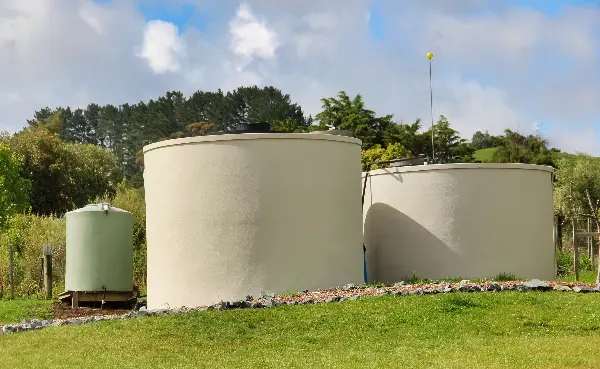
First, regular inspection and cleaning of the entire system (gutters, rainwater collection tank, water filters) will reduce the likelihood of contamination by harmful substances and microorganisms. Thus, it is beneficial to understand what you need to know to keep your rainwater catchment system in proper condition. Our team at Aqua Works is always available to answer your questions. We have long-term experience in residential rainwater catchment systems in NZ and helping our customers enjoy safe clean drinking water. We have prepared a checklist for you to make your spring clean easier. This way, you can get your rainwater harvesting system ready for spring and the upcoming summer season within a few days.
Gutter maintenance of your rainwater harvesting system
If your home has a rain harvesting system, the gutter is the connecting piece between the roof, where rainwater is collected, and the water supply tank, where the rainwater is stored. Therefore, regular gutter cleaning is vital to ensure its proper functioning. Eventually, all sorts of things accumulate on the roof: Leaves, moss, branches, and even birds’ nests get into the gutter, causing it to clog and overflow. Even though the gutter screen holds back coarser debris, small particles will still get into the gutter and, thus, into your rainwater system.

The collected roof water runs into the water storage tank via the gutter. Dust, pollen, debris, dead insects, rodents, and even faeces from birds or possums washed off the roof are flushed into the tank. Even with cat whiskers, gutter foam, mesh on gutters or leaf catcher baskets and leaf slides above the downpipes, you cannot prevent contamination entirely. Aqua Works has a pre-tank filter called a Maelstrom, which filters all the water into the tank and filters it down to 180 microns. Clean your gutter at least once a year to ensure its proper functioning.
Make the most of spring clean and give us a shout if you need help with this job! Call Raewyn to get our service tech Richard to assist you!
Cleaning your rainwater collection tank
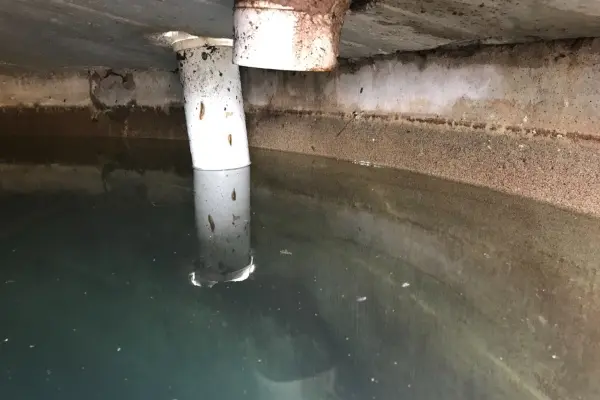
While coarse contaminants can be filtered relatively easily, organic microorganisms inevitably remain in the water. Stagnant water provides a breeding ground for algae, bacteria, viruses, and lime deposits, which considerably impairs the water quality and may cause a health threat. This is why properly cleaning the water tank plays such an important role. Only if you regularly give your rain water tank good clean, can you eliminate pathogens and other harmful contaminants, preventing them from multiplying and spreading further in the tank.
Cleaning and desludging a rainwater tank can only be done from the inside. Over time, sediment builds up at the bottom of the tank. As soon as it has reached a point where you can’t see the bottom of the tank, it is time for a proper cleaning. First, you must empty your water tank using a pump. After that, you can scrub the accumulated sediment and debris away from the bottom.
This is a professional job in a very confined space that poses a risk to health and safety. Call Aqua Works on 021 278 7427, and we will recommend the best professional in your area.
Testing water quality of your rainwater catchment system
Pipework and old water treatment equipment can also affect your water quality. On its way through the household plumbing system, your drinking water passes through many pipes and fittings. This way, pollutants such as heavy metals and bacteria can contaminate your drinking water. Old pipes and fittings made of lead or copper and taps release nickel into the drinking water quickly, thus becoming a health risk.
In addition, bacteria (including pathogenic E. coli and coliform germs) can be found in pipes or faucets, washed out with drinking water, and then consumed. Bacteria can become a health risk, especially for small children, the elderly, and immunocompromised persons. Therefore, for general disease prevention, it is crucial to have your drinking water tested.
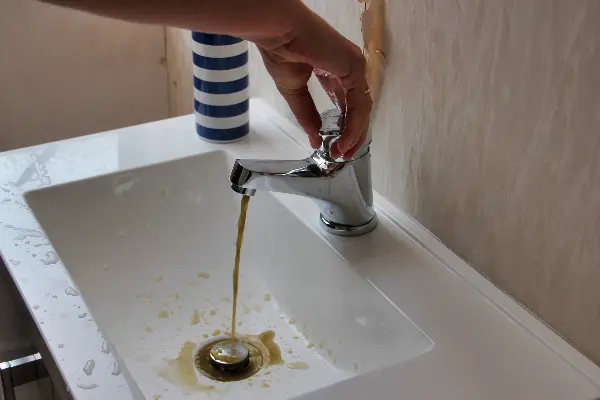
With Aqua Works water analysis, you will get a comprehensive picture of your water quality. Based on this, our expert team will recommend the best suitable water treatment solution for your individual requirements.
Regular UV filter service of your rain water collection system
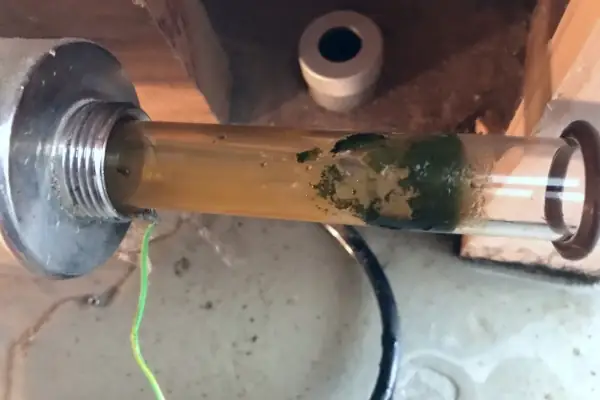
UV water filtration is a fantastic way to purify rainwater and make it safe for human consumption. But like any water treatment method, a UV purification system needs frequent service. The most important aspect of maintaining a UV water filtration system is replacing the lamp annually. A UV lamp is the heart of your UV filtration system. Only if you retain the UV system well will it remove harmful viruses and bacteria from your drinking water.
However, over time, the UV lamp reduces its lightwave intensity to about 60 % of what a new one provides. This point is usually reached after one year or 9000 hours of continuous use. Therefore, it is essential to replace the UV lamp every year. The intensity of the UV lamp directly affects its ability to kill bacteria effectively. New lamps will produce a UV light dose of almost 60 mJ/cm2, while after a year, the UV light dose will drop to about 30 mJ/cm2 – the minimum dose required to kill bacteria effectively. This underscores the importance of regular lamp replacement in maintaining the safety of your water.
UV manufacturers recommend that professionally trained technicians service UV filters. Aqua Work’s annual UV filter service will take care of your water quality when maintaining your entire water supply system. We also keep records of your system and contact you annually. One less thing for you to think about.
Annual water pump service of your rain catchment system
Water pumps only work efficiently if you look after them. Manufacturers recommend regular checks to ensure maximum longevity and efficiency and reduce costs for optimal performance. Several things must be considered to ensure that your water pump delivers the intended peak performance. The best a homeowner can do is to use their ears and eyes. Listen to the pump working and note any rumbling or high-pitched noises. Look at the water pump and suction line and ensure no leaks at any joints.
However, a professional should be engaged when it comes to annual water pump maintenance. Our trained service technicians have long-term expertise in the field of pump service and repairs. Firstly, they will check whether the bearings are running correctly and listen for pump wear. Secondly, the technicians also perform an electrical test, as well as a vibration test of the water pump. Consequently, it ensures that the motor runs perfectly and delivers the appropriate performance. Ultimately, our service team will replace or repair defective parts.
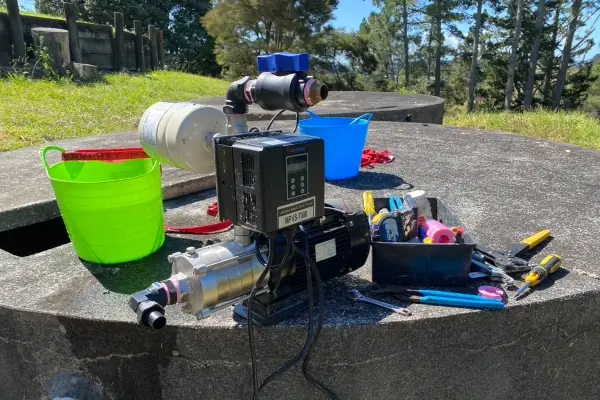
Get your trusted water pump service with Aqua Works. Our service team has a long experience with all leading brands in the industry. Thus, we can usually help you immediately, no matter what kind of pump you have or need.
Aqua Works – your competent partner for the spring cleaning of your rain harvesting system in NZ
Wrap up your spring cleaning routine with an Aqua Works Warrant of Fitness (WoF) for your rain harvesting system, and rest easy knowing your water is in expert hands. Our WoF service ensures your system is in peak condition, providing your household with safe, healthy drinking water.
Right now, you can take advantage of our spring special!
NZD 69 + GST*
*It includes a complete inspection of your residential rainwater collection system. Offer ends 15.12.2024
Whether you’re in Warkworth, Matakana/ Omaha, Leigh, Puhoi, Wellsford or Mangawhai, our experienced team is here to offer advice on systems of any size. Riverhead, Coatesville, Kumeū, Kaukapakapa, Helensville or Dairy Flats, our service team will come onsite for a full service of your rainwater collection system.
If you live outside this area, please give us a call!
If you’re considering installing a new rainwater tank, or need help with your existing setup, call us today at 0800 Aqua Works. Let’s ensure your family has access to fresh, clean drinking water all year round!

