
Bitumen & Asphalt Roofing
Tailored Filtration Solutions for Rainwater Harvesting System – For Safe Drinking Water
Is your roof contaminating your drinking water?
If you collect rainwater from your roof, the material above your head directly affects the quality of the water you drink every day. Bitumen and asphalt roofing can release harmful chemicals into rainwater, often without any visible signs.
What looks like clean water may still be contaminated.
Why roofing materials matter for your water
Rainwater harvesting systems collect everything that lands on your roof, including contaminants released from the roofing material itself.
Studies show that roof runoff can contain a wide range of pollutants, including heavy metals and organic chemicals, sometimes at levels exceeding safe standards. Bitumen and asphalt roofing can leach:
- heavy metals (e.g. lead, cadmium)
- polycyclic aromatic hydrocarbons (PAHs)
- volatile organic compounds (VOCs)
These contaminants are carried directly into your tank and can remain in your household water supply.
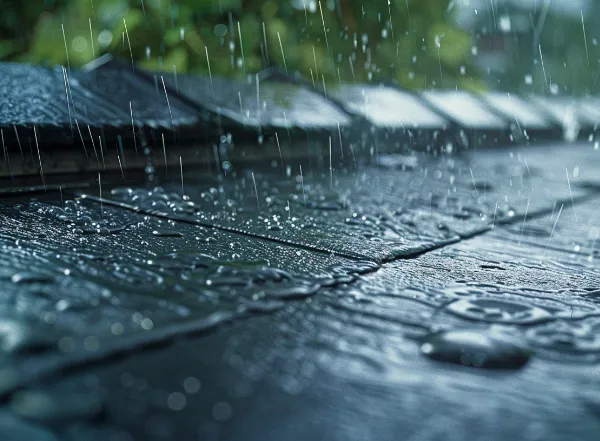
Is your roof compromising your health?
The link between roofing materials and water purity is often overlooked. Therefore, your roof might be more than just a shelter, it could be a source of health risks.
Understanding the risk of bitumen and asphalt roofing materials
In areas like Omaha, Dairy Flats, Coatesville or Riverhead, we’ve helped homeowners identify and resolve water quality issues linked to roofing materials and environmental exposure. These issues are often not obvious, but they are more common than most people realise in rural and coastal properties.

How contamination happens
When rain hits your roof:
- It interacts with roofing materials
- It dissolves or carries chemical residues
- It transports contaminants into your tank
This is known as roof runoff contamination and it is often overlooked when using rainwater for drinking. Your roof is effectively the first stage of your water system.
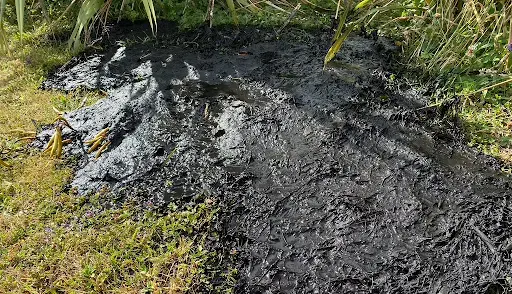
What contaminants can bitumen and asphalt roofing release?
Bitumen and asphalt roofing can leach:
- heavy metals (e.g. lead, cadmium)
- polycyclic aromatic hydrocarbons (PAHs)
- volatile organic compounds (VOCs)
These materials can leach a range of harmful substances into rainwater, especially over time or as the roof ages.
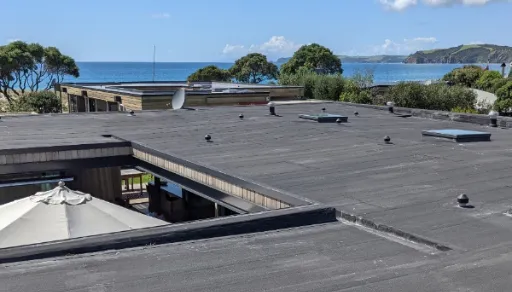
Could your roof be a risk?
You may be at risk if:
- You collect rainwater for drinking
- Your roof is bitumen or asphalt
- Your roof is older or degrading
- Your water has never been tested
Roof materials are a recognised contamination source in private water systems.
What DOESN’T Work
Many homeowners assume their rainwater is safe but roofing contamination is often misunderstood. Chemical contaminants require targeted treatment not just basic filtration. Common approaches:
-
- Drinking untreated tank water
- Using basic sediment filters only
- Assuming clear water is safe
- Ignoring the impact of roofing materials
How Aqua Works solves roofing-related water contamination
Roof-related water contamination isn’t always obvious but it’s a common issue in New Zealand, especially for homes relying on rainwater systems.
At Aqua Works, we specialise in identifying and solving these types of water quality challenges. With over 20 years of experience working with local water conditions, we understand how factors like roofing materials, tank systems and environmental exposure all impact the quality of your drinking water.
We take a practical, system-wide approach — assessing your setup, identifying potential contamination sources, and designing a solution that ensures your water is safe, clean and reliable.
Health risks associated with E. coli infection
Exposure to polycyclic aromatic hydrocarbons (PAHs), which are associated with increased cancer risk
Effects on the immune system and overall health from ongoing low-level chemical exposure
Potential impacts on liver and kidney function from accumulated contaminants
Irritation of the skin, eyes and respiratory system from certain chemical compounds
Exposure to volatile organic compounds (VOCs), which can contribute to headaches, fatigue and respiratory discomfort
Because these substances can build up over time, the risk is not always immediate — but related to long-term exposure through your water supply.
Don’t let your roof put your family’s health at risk
FAQ about PFAS in Water NZ
Is rainwater from a bitumen or asphalt roof safe to drink?
Rainwater collected from bitumen or asphalt roofing may contain contaminants leached from the roofing material, including heavy metals and organic chemicals. Even if the water looks clean, it may not be safe to drink without proper filtration and treatment.
What chemicals can leach from bitumen and asphalt roofing into water?
Bitumen and asphalt roofing can release substances such as polycyclic aromatic hydrocarbons (PAHs), volatile organic compounds (VOCs), and trace heavy metals. These contaminants can enter rainwater systems and remain in stored water.
Can you see or taste contamination from roofing materials?
No. Contamination from roofing materials is usually invisible and may not affect the taste or smell of your water. This means water can appear clean while still containing harmful substances.
Does a standard water filter remove contaminants from roofing materials?
No. Basic sediment filters are not designed to remove chemical contaminants such as PAHs or VOCs. Effective treatment typically requires multi-stage filtration and technologies like activated carbon.
Is bitumen roofing allowed for drinking water collection in New Zealand?
While bitumen roofing is commonly used, concerns have been raised about its suitability for potable water collection, and some authorities have questioned its compliance without additional treatment or safeguards.
Does rain make contamination from roofs worse?
Yes. Rainwater can wash contaminants from roofing materials into your tank, especially during heavy rainfall or after dry periods when pollutants have built up on the roof surface.
Do older roofs pose a higher risk?
Yes. As bitumen and asphalt roofing ages, it can degrade and release more chemical compounds into rainwater, increasing the risk of contamination over time.
How do I know if my roof is affecting my water quality?
What is the best way to make rainwater safe from roof contamination?
The most effective approach is a properly designed treatment system that may include pre-filtration, activated carbon and additional treatment tailored to your water system and roof type.
Why Choose Aqua Works
We understand the full system — not just the water
Specialists in roof-collected rainwater systems
We know how roofing materials affect your water
Tailored solutions for your roof, tank and location
Proven multi-stage filtration that targets chemical contaminants
We don’t Just install — we make sure it works long-term
We see this problem locally — more often than you think
Roof-related contamination is not theoretical — it’s something we regularly encounter in real homes.
We’ve worked with customers in areas like Omaha, Dairy Flat, Riverhead and Coatesville, where rainwater systems combined with certain roofing materials have led to water quality concerns.
In many cases, the water looked completely clean — until it was properly tested.
Talk to Aqua Works about the right solution for your water
Call 0800 278 296 to speak with a local water specialist.