
Fluoride in Water NZ
Testing and Reverse Osmosis Filter Solutions
Call 0800 278 296 – Talk to our Water Specialist
Do you have fluoride in your drinking water?
Fluoride is a naturally occurring mineral found in water and is added to some municipal water supplies in New Zealand including Auckland to help prevent tooth decay.
Depending on where you live, your drinking water may contain fluoride — particularly in town supply areas such as Auckland — while private water sources like rainwater tanks and bore water typically do not.
While widely used and supported for dental health, fluoride in drinking water remains a topic of ongoing discussion. Some homeowners choose to reduce or remove it to have more control over what they consume.
If you want to know what’s in your water, testing or reviewing your local water supply is the first step.

Want to control what’s in your drinking water?
If you prefer to reduce or remove fluoride from your water, Aqua Works can help you choose the right solution for your home.
Fluoride in Drinking Water in New Zealand

Why is fluoride added to water?
Water fluoridation is used internationally as a public health measure to reduce tooth decay across populations.
-
Helps strengthen tooth enamel
-
Reduces the risk of cavities
-
Provides ongoing protection through drinking water
In New Zealand, recommended fluoridation levels are typically around 0.7–1.0 mg/L, considered effective for dental health.

Is fluoride in water safe?
At recommended levels, many health authorities consider fluoridated drinking water to be safe, effective for preventing tooth decay.
However, fluoride remains a topic of debate. Some people prefer to limit their intake, particularly from drinking water, as fluoride is also commonly found in toothpaste, and food.
Excessive intake over long periods may lead to conditions such as dental (changes in tooth colour), or skeletal (brittle bones) fluorosis.

Reasons to remove fluoride
Many Aqua Works customers choose to remove fluoride from their drinking water for personal reasons, including:
-
Wanting control over their fluoride intake
-
Reducing cumulative exposure from multiple sources
-
Preferring non-chemical water treatment approaches
-
Improving taste and overall water quality
However, this is a personal choice.
Potential health considerations of fluoride in drinking water
Fluoride has been widely studied, and at the levels used in New Zealand drinking water, it is generally considered safe and effective for reducing tooth decay.
Ongoing discussion and personal choice
Fluoride in drinking water remains a topic of ongoing discussion. While many health authorities support its use, some people prefer to reduce their overall exposure — particularly when fluoride is also present in toothpaste, food, and beverages.
For many homeowners, the decision to remove fluoride is about personal preference and control, rather than immediate health risk.
If you prefer to control what’s in your drinking water, treatment options are available to reduce or remove fluoride.
Health risks associated with Fluoride
Dental fluorosis (most common effect)
Excessive fluoride intake during tooth development can lead to dental fluorosis, which appears as faint white marks or discolouration on teeth. In New Zealand, this is typically mild and mainly a cosmetic concern.
High exposure over long periods
At significantly higher levels than those used in drinking water, long-term fluoride intake has been associated with effects on bones (skeletal fluorosis) and other health concerns. These levels are typically linked to regions with naturally high fluoride concentrations, not standard municipal supplies.
Get the right solution for your water
Every home is different — and so is your water.
Whether you’re on mains supply, tank water, or bore water, Aqua Works will help you understand your water and choose the right system to reduce or remove fluoride where needed.
How to remove fluoride from drinking water
Fluoride is a dissolved mineral, which means it cannot be removed with standard sediment or carbon filters.
Reverse Osmosis (most effective solution)
Reverse osmosis (RO) is the most reliable and widely used method to remove fluoride from drinking water. It uses a specialised membrane to remove dissolved minerals and contaminants, including fluoride.
RO systems can remove up to 95–99% of fluoride, along with other contaminants such as nitrates, heavy metals, and microplastics.
How Aqua Works helps you reduce fluoride
Aqua Works helps homeowners understand their water and choose the right treatment system based on their needs.
Tailored solutions for your water
We assess your water source, your concerns, and your household requirements before recommending a system.
Reverse osmosis systems for fluoride removal
We install high-quality reverse osmosis systems designed to remove fluoride and deliver clean, great-tasting drinking water.
Local expertise you can trust
With over 20 years of experience, Aqua Works has installed and serviced water treatment systems across Warkworth, the Matakana Coast, and the wider Rodney District.
We don’t just install systems — we help you make the right decision for your water.
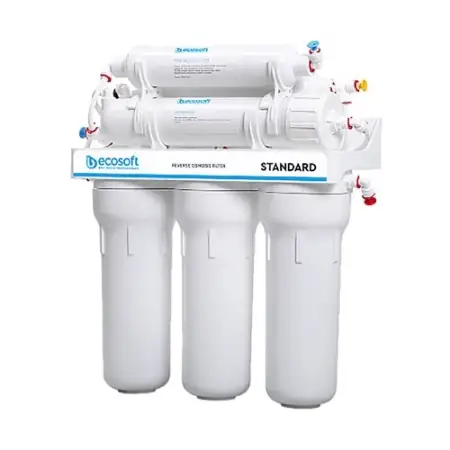
Featured Product
Ecosoft Under Bench Reverse Osmosis System
6 stages of advanced water purification!
Why? Call us on 0800 278 296and talk to our water filtration experts!
FAQ about Fluorid in Water NZ
What is the best way to remove fluoride from drinking water?
Reverse osmosis is widely considered the most effective and reliable method to remove fluoride from drinking water.
Does New Zealand drinking water contain fluoride?
Some municipal water supplies in New Zealand are fluoridated, while private supplies like tank and bore water usually are not.
Can fluoride be removed from drinking water?
Yes. Reverse osmosis is one of the most effective ways to remove fluoride from drinking water.
Why do people remove fluoride from water?
Some people prefer to control their fluoride intake or reduce exposure from multiple sources such as drinking water and dental products.
How effective is reverse osmosis at removing fluoride?
A well-designed reverse osmosis system can remove around 80–98% of fluoride from drinking water, depending on the system and maintenance.
Why can’t standard filters remove fluoride?
Fluoride is a dissolved mineral, which means it passes through standard sediment and carbon filters. Reverse osmosis is required because it removes contaminants at a molecular level.
Does reverse osmosis remove anything else?
Yes. Reverse osmosis can also reduce contaminants such as heavy metals, nitrates, chlorine, and other dissolved substances, providing high-purity drinking water.
Is reverse osmosis a whole-house solution?
Do I need a reverse osmosis system if I have tank water?
Most tank and bore water sources in New Zealand do not contain added fluoride. Reverse osmosis is mainly recommended for town water supplies where fluoride is present.
Why Choose Aqua Works
Every water supply is different — and so is the right solution.
Tailored solutions for your water
We assess your water source, contamination risks, and household needs to design the right system — whether you use tank water, bore water, or mains supply.
Specialists in safe drinking water
From bacteria like E. coli to minerals like fluoride, we understand how different contaminants behave and how to treat them effectively with the right combination of filtration and disinfection.
Proven systems that work
We install reliable treatment solutions including UV filtration, reverse osmosis, and advanced multi-stage systems designed for long-term performance and water safety.
End-to-end service
We handle everything — from testing and system design to installation and ongoing servicing — so you can rely on safe, consistent drinking water.
Local expertise you can trust
With over 20 years of experience, Aqua Works has been helping homeowners across Warkworth, the Matakana Coast, and the wider Rodney District improve their water quality.
Talk to Aqua Works about the right solution for your water
Call 0800 278 296 to speak with a local water specialist.